

When it comes to choosing the perfect coffee cup, price is often a significant factor. As a supplier of stainless steel vacuum coffee cups, I've had the opportunity to observe how the price of these cups compares to other types of coffee cups on the market. In this blog, I'll delve into the cost dynamics of stainless steel vacuum coffee cups in relation to ceramic, glass, and plastic coffee cups, shedding light on the factors that influence their pricing and the value they offer.
Understanding the Pricing Landscape
To begin with, let's take a look at the general price ranges of different types of coffee cups. Ceramic coffee cups are typically the most affordable option, with prices ranging from a few dollars to around $20, depending on the brand, design, and quality. Glass coffee cups fall in a similar price range, although specialty or hand - blown glass cups can be more expensive, sometimes reaching upwards of $50. Plastic coffee cups are usually the cheapest, often available for less than $5, especially for basic, disposable models.
On the other hand, stainless steel vacuum coffee cups tend to be more expensive. Entry - level models can start at around $15, while high - end, feature - rich cups can cost upwards of $50 or even more. This price difference can be attributed to several key factors.

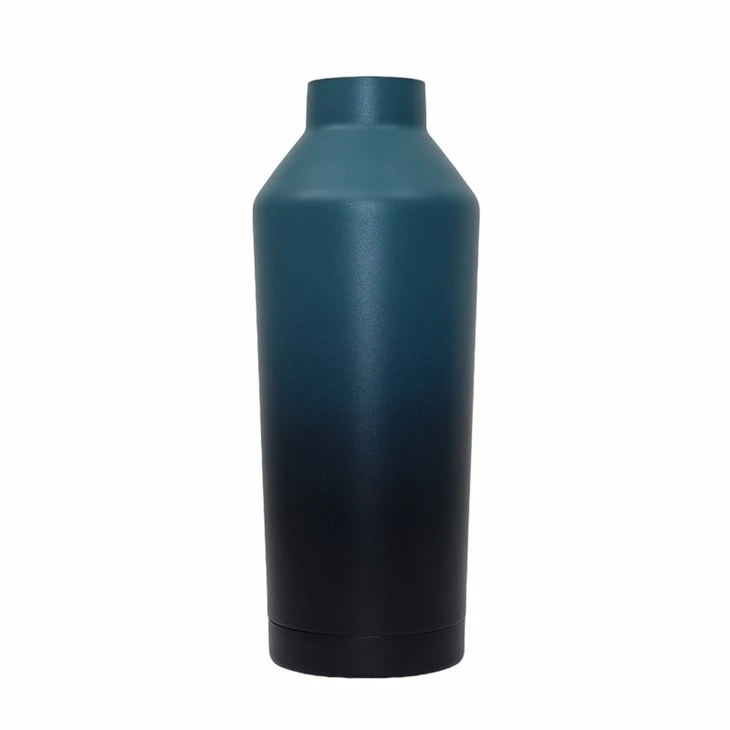
Factors Influencing the Price of Stainless Steel Vacuum Coffee Cups
1. Material and Manufacturing Costs
Stainless steel is a high - quality material known for its durability, resistance to corrosion, and ability to maintain temperature. The process of manufacturing a stainless steel vacuum coffee cup involves several complex steps. First, the stainless steel sheets need to be cut and shaped into the desired form. Then, the double - walled structure, which is essential for creating the vacuum insulation, is carefully assembled. This requires precision welding and sealing to ensure an airtight vacuum, which in turn helps to keep the coffee hot for hours.
The quality of the stainless steel also plays a role. Higher - grade stainless steel, such as 304 or 316 stainless steel, is more expensive but offers better resistance to rust and is food - grade safe. These materials are also more difficult to work with, adding to the overall manufacturing cost.
2. Insulation Technology
One of the main selling points of stainless steel vacuum coffee cups is their excellent insulation properties. The vacuum between the double walls acts as a barrier to heat transfer, significantly reducing the rate at which the coffee inside cools down. Developing and implementing effective insulation technology requires research and development, as well as specialized equipment. This investment in technology is reflected in the price of the cups.
For example, some of our advanced models use innovative insulation materials and designs to achieve even better heat retention. These features not only enhance the user experience but also contribute to the higher cost of the product.
3. Design and Features
Stainless steel vacuum coffee cups come in a wide variety of designs and feature sets. Some cups have ergonomic handles for a comfortable grip, while others have leak - proof lids with innovative opening mechanisms. There are also cups with unique shapes and finishes, such as the Hand - pressed Sports Bottle, which has a sporty design suitable for on - the - go use, and the Hexagonal Diamond Shaped Thermos Cup, which stands out with its distinctive shape.
These additional design elements and features require more time and effort in the design and manufacturing process, leading to a higher price point. For instance, a cup with a pop - up button for easy sipping, like the Waist - shaped Double Drink Car Cup With Pop - up Button, involves more complex engineering and parts, increasing its cost.
Value Proposition of Stainless Steel Vacuum Coffee Cups
Despite the higher price, stainless steel vacuum coffee cups offer a range of benefits that make them a worthwhile investment for many consumers.
1. Long - Term Cost Savings
Although the upfront cost of a stainless steel vacuum coffee cup is higher than that of ceramic, glass, or plastic cups, it can save money in the long run. Ceramic and glass cups are more fragile and prone to breaking, which means you may need to replace them more frequently. Plastic cups, especially disposable ones, are not reusable and can add up in cost over time.
In contrast, a well - made stainless steel vacuum coffee cup can last for years with proper care. Its durability means that you won't have to keep buying new cups, making it a cost - effective choice in the long term.
2. Temperature Retention
As mentioned earlier, the insulation properties of stainless steel vacuum coffee cups are superior to those of other types of cups. This means that your coffee will stay hot for much longer, allowing you to enjoy a warm cup of coffee throughout the morning or afternoon. For coffee lovers who like to savor their coffee slowly, this is a significant advantage.
3. Portability and Versatility
Stainless steel vacuum coffee cups are designed to be portable. They are lightweight, durable, and often come with leak - proof lids, making them ideal for use at work, during travel, or while engaging in outdoor activities. Whether you're commuting to work, going on a hike, or simply running errands, you can take your coffee with you without worrying about spills or leaks.
Comparing with Other Types of Cups in Specific Use Cases
1. Home Use
For home use, ceramic and glass cups are popular choices due to their aesthetic appeal. They come in a wide range of colors, patterns, and designs, allowing you to choose a cup that matches your home decor. However, if you like to have your coffee over an extended period and want to keep it hot, a stainless steel vacuum coffee cup may be a better option. It can keep your coffee at the perfect temperature while you relax on the couch or work at your home office.
2. Office Use
In an office setting, portability and temperature retention are key. Plastic cups are often used for their low cost, but they don't offer good insulation. Ceramic and glass cups can be fragile and may not be suitable for a busy office environment. Stainless steel vacuum coffee cups, on the other hand, are durable, portable, and can keep your coffee hot for hours, making them an excellent choice for the office.
3. Outdoor Activities
When it comes to outdoor activities such as hiking, camping, or cycling, stainless steel vacuum coffee cups shine. Their durability can withstand the rigors of outdoor use, and their insulation properties ensure that you have a hot cup of coffee even in cold weather. Plastic cups are not suitable for outdoor use as they are not sturdy enough, and ceramic and glass cups are too fragile.
Conclusion
In conclusion, the price of stainless steel vacuum coffee cups is higher than that of other types of coffee cups, but this is due to the high - quality materials, advanced insulation technology, and innovative design features. While the upfront cost may be a deterrent for some, the long - term cost savings, superior temperature retention, and portability make them a valuable investment.
If you're in the market for a high - quality coffee cup that offers excellent temperature retention, durability, and versatility, our range of stainless steel vacuum coffee cups is worth considering. We offer a variety of models to suit different needs and preferences, from the sporty Hand - pressed Sports Bottle to the stylish Hexagonal Diamond Shaped Thermos Cup and the convenient Waist - shaped Double Drink Car Cup With Pop - up Button.
If you're interested in purchasing our stainless steel vacuum coffee cups in bulk or have any questions about our products, we invite you to contact us for a procurement discussion. We look forward to serving you and helping you find the perfect coffee cups for your needs.
References
- "Materials Science and Engineering: An Introduction" by William D. Callister Jr. and David G. Rethwisch
- Industry reports on the coffee cup market